


Beyond Therapy: Why Movement, Fitness and Play Matter for Neurodivergent Children

Watch a child take their first independent steps across a balance beam, or catch a ball they've been chasing for weeks, and you'll see it immediately — that flicker of surprise, then pride, then the urge to try it again. That moment is what all the work is for.
For neurodivergent children, that moment doesn't belong in the therapy room alone. It belongs on the playground, in the pool, on the field — anywhere a child gets to use their body, explore movement and discover what they can do.

Two Parts of the Same Journey
Physiotherapy and fitness aren't separate stages a child moves through. They're two parts of the same journey, running side by side.
In physiotherapy, a child works closely with a therapist on specific goals — building strength, improving balance, refining coordination, developing motor planning. This is precise, guided, and paced to the child's needs. It's where the foundation gets laid, one careful session at a time.
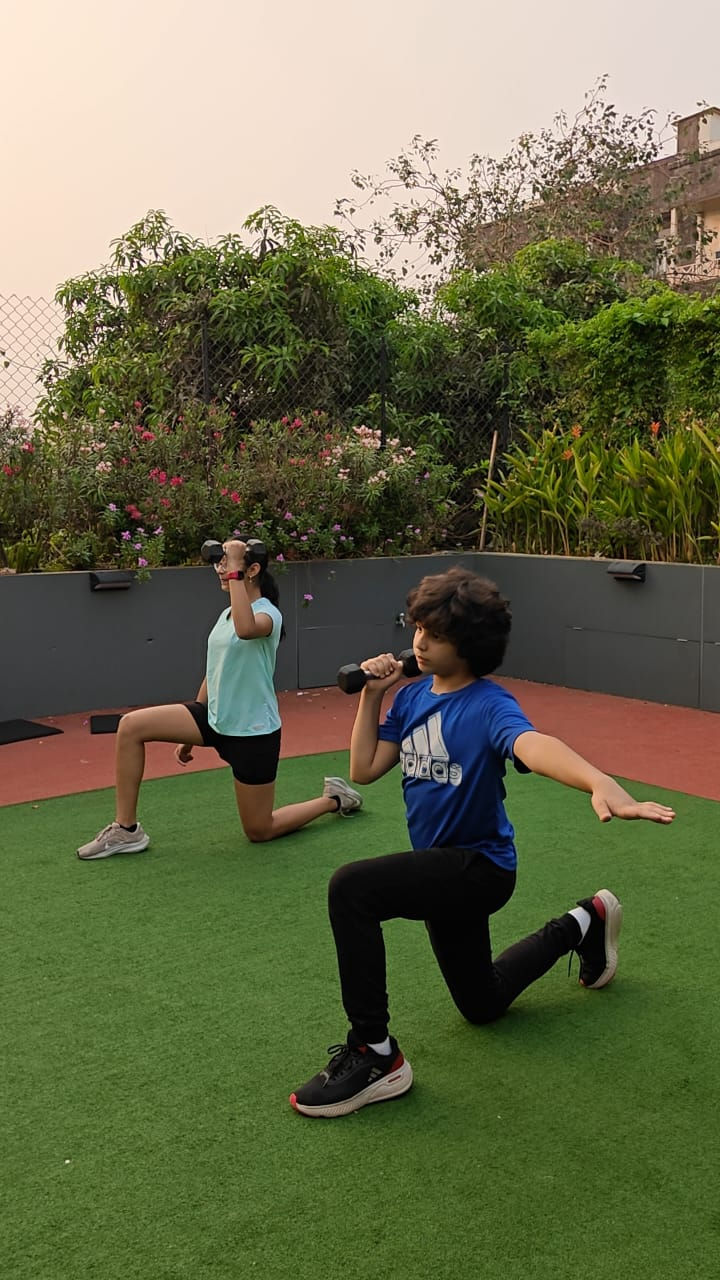
Fitness and sport give that foundation somewhere to go. A child who's been working on balance in therapy gets to test it on an obstacle course. A child building coordination gets to throw, catch, and kick in a game with other kids. A child growing stronger and more resilient gets to feel that strength in a run, a swim, a class full of other children moving too.
Neither replaces the other. Physiotherapy without real-world practice can stay abstract. Fitness without a therapeutic foundation can move too fast, or in the wrong direction, for a child's individual needs. Together, they reinforce each other — and that's the difference an integrated approach makes.
What This Kind of Support Can Build
When physiotherapy and fitness work in tandem, families often see progress in more than one area at once:
Strength and endurance for everyday life
Balance, coordination, and body awareness
Motor planning that carries into new, unfamiliar movements
Better focus and self-regulation during and after activity
Confidence to try, to fail, and to try again
Real social participation — being part of a team, not just near one
Movement habits that last well beyond childhood
None of this is about pushing a child harder. It's about giving them enough places to practise that their progress becomes theirs — something they carry with them, not something that stays behind in a clinic.
Why It Matters to Us
As parents, you already know your child works hard in therapy. What we want just as much is for that hard work to show up everywhere else too — in how confidently they move at the park, how easily they keep up with siblings, how proud they feel finishing a race they didn't think they could run.
At NeuroFit, we bring paediatric physiotherapy, fitness, and sport together under one roof, so your child doesn't have to choose between building skills and using them. Every activity is shaped around your child's abilities, challenges, interests, and goals with therapy and fitness working as one continuous plan, not two separate paths.
Because the goal was never just better movement. It's a child who feels strong enough, capable enough, and confident enough to move through their own life on their own terms.
At NeuroFit by JuniorFit, we create individualised movement and fitness programmes designed around your child's abilities, interests and pace.
Let's help your child discover the joy of movement.
Explore NeuroFit and Get in Touch with us at +91 93723 91820 or at juniorfit.india@gmail.com.


Comments